The pharmaceutical industry stands at a critical juncture where traditional manufacturing methods struggle to meet the demands of modern drug development. Recent studies reveal that over 40% of newly developed pharmaceutical compounds suffer from poor solubility, creating significant challenges for drug delivery and patient outcomes. This is where spray drying technology emerges as a game-changing solution, revolutionizing how pharmaceutical companies approach drug formulation, manufacturing efficiency, and patient care.
Spray drying technology has become the cornerstone of pharmaceutical innovation, offering unprecedented control over particle characteristics, enhanced bioavailability, and streamlined production processes. This comprehensive guide explores how this transformative technology is reshaping the pharmaceutical landscape, from small-scale research facilities to large-scale commercial manufacturing operations.
Table of Contents
Understanding Spray Drying Technology in Pharmaceutical Applications
Spray drying represents a sophisticated thermal separation process where liquid pharmaceutical formulations transform into dry powder particles through controlled evaporation. The technology operates on fundamental principles of heat and mass transfer, creating uniform, stable pharmaceutical powders with precisely controlled characteristics.
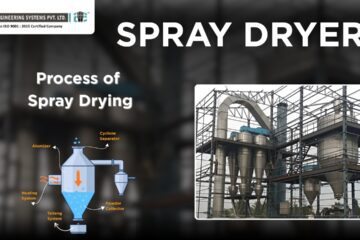
The process begins with atomizing liquid feed materials into fine droplets within a heated chamber. These droplets encounter hot air streams, causing rapid moisture evaporation while preserving the integrity of active pharmaceutical ingredients. The resulting dry particles collect at the chamber bottom, ready for downstream processing or direct packaging.
Core Components of Pharmaceutical Spray Drying Systems
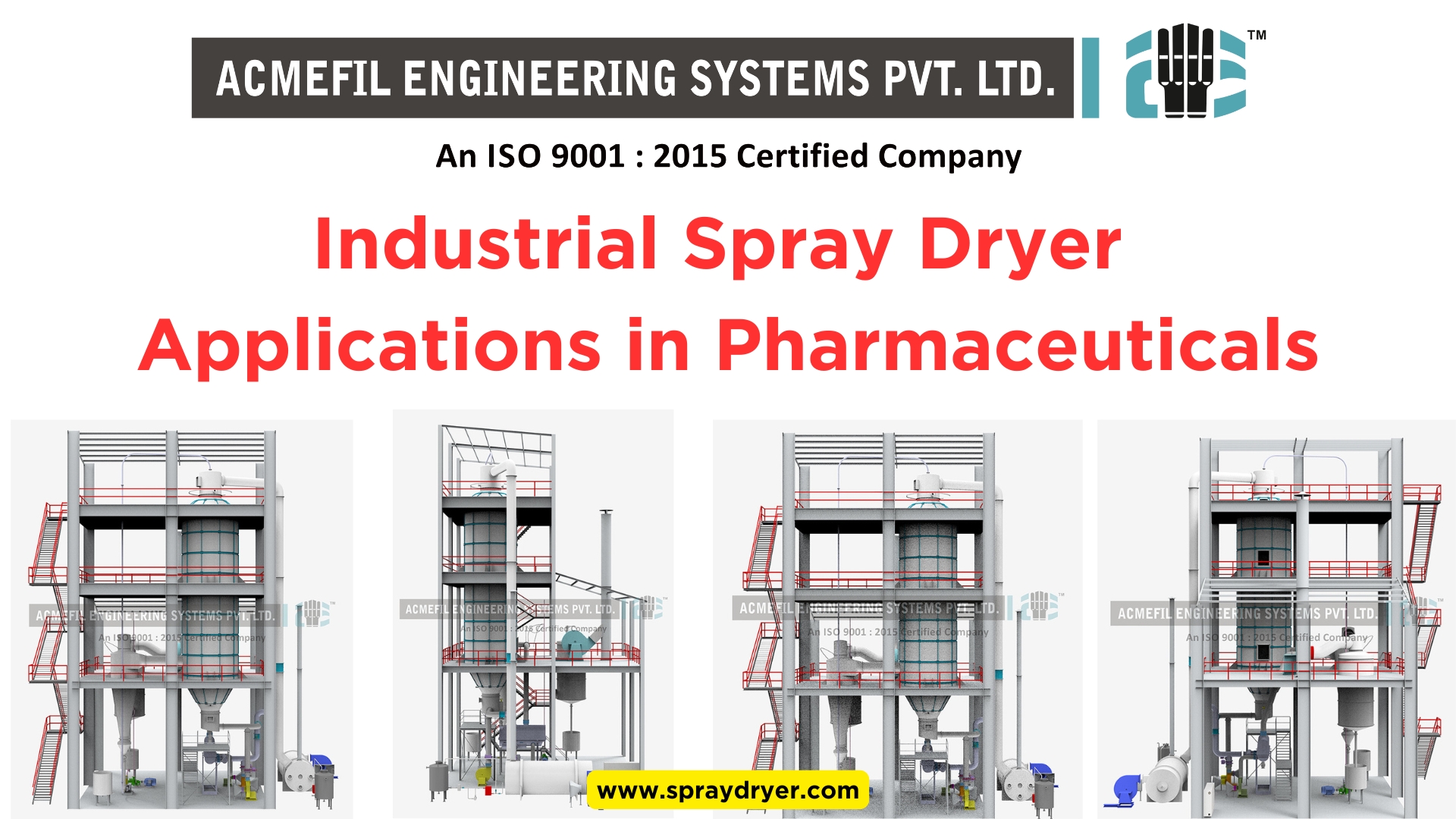
Modern pharmaceutical spray drying systems incorporate several critical components designed for optimal performance and regulatory compliance. The atomization system serves as the heart of the operation, converting liquid feeds into controlled droplet sizes through various mechanisms including pressure nozzles, rotary atomizers, and two-fluid nozzles.
Temperature control systems maintain precise thermal conditions throughout the drying chamber, ensuring consistent product quality while preventing thermal degradation of sensitive compounds. Advanced air handling units provide filtered, conditioned air streams that create optimal drying environments while maintaining sterile conditions required for pharmaceutical applications.
Collection systems utilize cyclones, bag filters, or electrostatic precipitators to efficiently separate dried particles from the air stream. These systems ensure maximum product recovery while maintaining strict contamination control standards essential for pharmaceutical manufacturing.
Revolutionary Impact on Drug Formulation and Development
Spray drying technology has fundamentally transformed pharmaceutical formulation strategies, particularly in addressing the persistent challenge of poor drug solubility. Approximately 70% of pharmaceutical compounds exhibit limited water solubility, creating significant barriers to effective drug delivery and therapeutic efficacy.
Enhancing Bioavailability Through Amorphous Solid Dispersions
The technology excels in creating amorphous solid dispersions, where active pharmaceutical ingredients exist in a high-energy, non-crystalline state. This amorphous form dramatically increases dissolution rates and bioavailability compared to traditional crystalline formulations. Pharmaceutical companies report bioavailability improvements ranging from 200% to 800% when utilizing spray-dried amorphous formulations.
The process involves dissolving both the active pharmaceutical ingredient and a polymer carrier in a suitable solvent system. During spray drying, rapid solvent evaporation prevents drug recrystallization, maintaining the amorphous state within the polymer matrix. This molecular-level dispersion creates supersaturated solutions upon dissolution, significantly enhancing drug absorption in the gastrointestinal tract.
Precision Particle Engineering for Targeted Applications
Spray drying technology enables precise control over particle characteristics including size distribution, morphology, density, and surface properties. This level of control proves crucial for developing specialized pharmaceutical applications such as inhalation powders, sustained-release formulations, and targeted drug delivery systems.
For inhalation applications, spray drying produces particles with optimal aerodynamic properties, typically ranging from 1-5 micrometers in diameter. These particles demonstrate superior flow properties and deep lung penetration, making them ideal for respiratory drug delivery applications including asthma medications, antibiotics, and vaccines.
Manufacturing Efficiency and Cost Optimization
The pharmaceutical industry faces mounting pressure to reduce manufacturing costs while maintaining stringent quality standards. Spray drying technology addresses these challenges through several efficiency-enhancing mechanisms that streamline production processes and reduce overall manufacturing expenses.
Single-Step Processing Advantages
Traditional pharmaceutical manufacturing often requires multiple processing steps including granulation, drying, sizing, and blending. Spray drying consolidates these operations into a single, continuous process, significantly reducing processing time, equipment requirements, and labor costs. This consolidation eliminates material handling steps, reduces contamination risks, and improves overall process efficiency.
The technology demonstrates particular advantages in processing heat-sensitive compounds where traditional drying methods prove inadequate. Short residence times in spray dryers, typically ranging from seconds to minutes, minimize thermal exposure while achieving target moisture levels.
Scalability and Production Flexibility
Modern spray drying systems offer exceptional scalability, accommodating production volumes from laboratory-scale batches to commercial-scale operations producing hundreds of kilograms per hour. This scalability proves crucial for pharmaceutical companies navigating the drug development pipeline from initial research through commercial manufacturing.
The technology supports flexible production schedules, allowing spray dryer manufacturers to switch between different products with minimal changeover time. Advanced cleaning systems and contained processing capabilities enable multi-product facilities to maintain strict segregation requirements while maximizing equipment utilization.
Quality Control and Regulatory Compliance
Pharmaceutical spray drying technology incorporates sophisticated quality control measures designed to meet stringent regulatory requirements imposed by agencies such as the FDA, EMA, and ICH guidelines. These systems ensure consistent product quality, batch-to-batch reproducibility, and comprehensive documentation required for pharmaceutical manufacturing.
Process Analytical Technology Integration
Modern spray drying systems integrate Process Analytical Technology tools that provide real-time monitoring and control of critical process parameters. These systems continuously monitor inlet and outlet temperatures, feed rates, atomization pressure, and particle size distribution, enabling immediate adjustments to maintain optimal processing conditions.
Advanced spectroscopic techniques including near-infrared spectroscopy and Raman spectroscopy provide real-time analysis of product characteristics, enabling automated process control and quality assurance. These analytical tools detect deviations from target specifications, triggering corrective actions before product quality issues develop.
Validation and Documentation Requirements
Pharmaceutical spray drying systems undergo rigorous validation procedures including Installation Qualification, Operational Qualification, and Performance Qualification protocols. These validation activities demonstrate system capability, reliability, and compliance with predetermined specifications.
Documentation systems capture comprehensive process data including temperature profiles, pressure readings, flow rates, and product quality parameters. This data supports regulatory submissions, batch release decisions, and continuous process improvement initiatives.
Specialized Applications Across Pharmaceutical Sectors
Spray drying technology finds applications across diverse pharmaceutical sectors, each benefiting from the technology’s unique capabilities and advantages. These applications demonstrate the versatility and adaptability of spray drying in addressing specific pharmaceutical challenges.
Biologics and Protein Pharmaceuticals
The biologics sector represents one of the fastest-growing segments in pharmaceutical manufacturing, with spray drying playing a crucial role in processing these complex molecules. Protein pharmaceuticals, vaccines, and monoclonal antibodies require gentle processing conditions that preserve biological activity while achieving stable, storable forms.
Spray drying enables the production of protein powders with enhanced stability, extended shelf life, and improved storage characteristics. The technology removes water without exposing proteins to harsh conditions, maintaining their native structure and biological activity. Excipients such as trehalose, sucrose, and amino acids protect proteins during the drying process, ensuring product stability and efficacy.
Pediatric and Geriatric Formulations
Specialized patient populations including children and elderly patients often require customized pharmaceutical formulations that address unique physiological needs and administration challenges. Spray drying technology facilitates the development of age-appropriate formulations with improved palatability, ease of administration, and dose flexibility.
The technology enables the production of taste-masked formulations where bitter-tasting active ingredients are encapsulated within polymer matrices, improving patient compliance and therapeutic outcomes. Orally disintegrating tablets and granules produced through spray drying dissolve rapidly in the mouth, eliminating swallowing difficulties common in pediatric and geriatric populations.
Controlled Release and Sustained Delivery Systems
Spray drying technology excels in creating sophisticated drug delivery systems that provide controlled release profiles, extended therapeutic effects, and improved patient compliance. These systems utilize polymer matrices, coating materials, and specialized excipients to modulate drug release rates and patterns.
Matrix tablets produced through spray drying incorporate drug-polymer blends that control drug release through diffusion, erosion, or osmotic mechanisms. These systems provide zero-order release kinetics, maintaining consistent drug levels throughout the dosing interval.
Economic Impact and Market Dynamics
The pharmaceutical spray drying market demonstrates robust growth driven by increasing demand for advanced drug delivery systems, growing biologics sector, and expanding generic pharmaceutical production. Market analysts project continued expansion with compound annual growth rates exceeding 8% over the next decade.
Investment Trends and Technology Adoption
Pharmaceutical companies increasingly invest in spray drying technology as part of their manufacturing modernization initiatives. These investments focus on upgrading existing facilities, implementing continuous manufacturing systems, and developing specialized capabilities for emerging therapeutic areas.
Contract manufacturing organizations recognize spray drying as a key differentiator, investing in advanced systems to attract pharmaceutical clients seeking specialized processing capabilities. This trend drives technology innovation and competitive advantages in the contract manufacturing sector.
Global Market Expansion and Regional Dynamics
Emerging pharmaceutical markets in Asia-Pacific, Latin America, and Eastern Europe demonstrate significant growth potential for spray drying technology adoption. These regions benefit from expanding pharmaceutical manufacturing capabilities, increasing healthcare investments, and growing demand for advanced drug formulations.
Regulatory harmonization initiatives facilitate technology transfer and market expansion, enabling pharmaceutical companies to leverage spray drying capabilities across multiple geographic markets. This global expansion drives economies of scale and technology standardization.
Future Innovations and Emerging Trends
The pharmaceutical spray drying landscape continues evolving through technological innovations, regulatory developments, and changing market demands. Several emerging trends shape the future direction of spray drying technology in pharmaceutical applications.
Continuous Manufacturing Integration
Industry 4.0 initiatives drive the integration of spray drying technology with continuous manufacturing systems, creating end-to-end production lines that enhance efficiency, reduce costs, and improve product quality. These integrated systems combine spray drying with upstream and downstream processing operations, creating seamless production workflows.
Real-time release testing capabilities enable immediate batch disposition decisions, reducing inventory holding costs and accelerating product availability. Advanced process control systems optimize operating parameters automatically, maintaining optimal conditions while minimizing operator intervention.
Nanotechnology Applications
Spray drying technology demonstrates increasing applications in nanotechnology, producing nanoparticles, nanosuspensions, and nanocrystalline formulations with enhanced therapeutic properties. These nanoscale formulations offer improved bioavailability, targeted delivery, and reduced side effects compared to conventional formulations.
The technology enables precise control over nanoparticle characteristics including size distribution, surface charge, and morphology. These properties prove crucial for developing targeted drug delivery systems that accumulate at specific tissue sites while minimizing systemic exposure.
Environmental Sustainability Initiatives
Pharmaceutical companies increasingly focus on environmental sustainability, driving adoption of green chemistry principles and energy-efficient manufacturing processes. Spray drying technology supports these initiatives through solvent recovery systems, energy optimization, and waste minimization strategies.
Advanced heat recovery systems capture and reuse thermal energy from exhaust streams, reducing overall energy consumption and operational costs. Closed-loop solvent recovery systems minimize waste generation while reducing raw material consumption and environmental releases.
Overcoming Implementation Challenges
Despite its numerous advantages, spray drying technology implementation faces several challenges that pharmaceutical companies must address to maximize benefits and ensure successful adoption.
Technical Complexity and Expertise Requirements
Spray drying systems require specialized knowledge and expertise for optimal operation, maintenance, and troubleshooting. Pharmaceutical companies must invest in training programs, technical support, and knowledge management systems to develop internal capabilities.
The technology involves complex interactions between thermal, fluid dynamic, and chemical processes that require deep understanding for successful implementation. Companies often partner with equipment suppliers, academic institutions, and consulting organizations to develop necessary expertise.
Capital Investment and Economic Justification
Pharmaceutical spray drying systems represent significant capital investments, particularly for advanced systems with specialized capabilities. Companies must carefully evaluate economic justification, considering factors such as production volumes, product mix, and competitive advantages.
Lifecycle cost analysis demonstrates that spray drying technology often provides favorable returns through reduced manufacturing costs, improved product quality, and enhanced market competitiveness. These economic benefits justify initial investment costs and support long-term business sustainability.
Regulatory Landscape and Compliance Considerations
The regulatory environment for pharmaceutical spray drying continues evolving as agencies develop guidance documents, update requirements, and harmonize standards across global markets. Companies must maintain current knowledge of regulatory expectations and compliance requirements.
Quality by Design Implementation
Regulatory agencies increasingly emphasize Quality by Design principles that require systematic understanding of product and process characteristics. Spray drying technology supports these initiatives through design space definition, process understanding, and control strategy development.
Risk assessment methodologies identify critical process parameters and quality attributes that require monitoring and control. These assessments guide system design, validation approaches, and ongoing manufacturing operations.
International Harmonization Efforts
Global pharmaceutical companies benefit from international harmonization initiatives that standardize regulatory requirements across different markets. These efforts reduce regulatory complexity, facilitate technology transfer, and support global product launches.
Spray drying technology manufacturers collaborate with regulatory agencies to develop guidance documents, technical standards, and best practices that support industry adoption and compliance.
Frequently Asked Questions
What makes spray drying technology superior to traditional pharmaceutical drying methods?
Spray drying technology offers several advantages over traditional drying methods, including precise control over particle characteristics, enhanced bioavailability through amorphous solid dispersions, single-step processing efficiency, and gentle treatment of heat-sensitive compounds. The technology provides consistent product quality, reduced processing time, and improved manufacturing flexibility compared to conventional approaches.
How does spray drying technology improve drug bioavailability?
Spray drying technology improves drug bioavailability primarily through the creation of amorphous solid dispersions, where active pharmaceutical ingredients exist in a high-energy, non-crystalline state. This amorphous form dramatically increases dissolution rates and bioavailability compared to crystalline formulations, with improvements ranging from 200% to 800% in many cases.
What are the main challenges in implementing pharmaceutical spray drying systems?
The primary challenges include technical complexity requiring specialized expertise, significant capital investment requirements, regulatory compliance considerations, and the need for comprehensive validation and documentation. Companies must invest in training, technical support, and knowledge management to overcome these challenges successfully.
How does spray drying technology support personalized medicine initiatives?
Spray drying technology supports personalized medicine through flexible production capabilities, precise dose control, and the ability to create specialized formulations for specific patient populations. The technology enables small-batch production of customized medications while maintaining quality standards and regulatory compliance.
What role does spray drying play in biologics manufacturing?
In biologics manufacturing, spray drying technology provides gentle processing conditions that preserve biological activity while creating stable, storable forms. The technology enables protein powder production with enhanced stability, extended shelf life, and improved storage characteristics, making it crucial for vaccines, monoclonal antibodies, and other biological pharmaceuticals.
Conclusion
Spray drying technology represents a transformative force in the pharmaceutical industry, addressing critical challenges related to drug solubility, manufacturing efficiency, and product quality. The technology’s ability to create amorphous solid dispersions, control particle characteristics, and streamline production processes positions it as an essential tool for modern pharmaceutical manufacturing.
The comprehensive benefits of spray drying technology extend beyond immediate manufacturing advantages to encompass long-term strategic value including enhanced product differentiation, improved patient outcomes, and competitive market positioning. As pharmaceutical companies continue embracing advanced manufacturing technologies, spray drying technology will play an increasingly important role in shaping the future of drug development and production.
The evolution of spray drying technology continues through ongoing innovations in process control, continuous manufacturing integration, and nanotechnology applications. These developments promise to further enhance the technology’s capabilities while addressing emerging challenges in pharmaceutical manufacturing and drug delivery.
For pharmaceutical companies seeking to optimize their manufacturing operations, improve product quality, and address the growing demand for advanced drug formulations, spray drying technology offers a proven pathway to achieving these objectives while maintaining regulatory compliance and economic viability.
When it comes to implementing cutting-edge spray drying technology for pharmaceutical applications, Acmefil Engineering Systems Pvt. Ltd. stands as your trusted partner in delivering world-class solutions. As an ISO 9001:2015 certified company established in 1992, Acmefil has pioneered the design and manufacture of advanced spray drying systems specifically engineered for pharmaceutical manufacturing requirements.
Our comprehensive spray drying solutions feature state-of-the-art atomization systems, precise temperature control, and integrated quality monitoring capabilities that ensure consistent product quality and regulatory compliance. With over 800 successful installations across India and a proven track record of delivering turnkey solutions, Acmefil Engineering Systems combines three decades of engineering excellence with innovative technology to transform your pharmaceutical manufacturing processes and enhance your competitive advantage in the global marketplace.